Up to 45 km/h. Every day. Which gearing system is
right for an
S-pedelec?
- November 2026
With assistance up to 45 km/h, an S-pedelec makes even longer commutes an appealing option. But the route from home to the office is rarely a clear run. Traffic lights, climbs, headwinds and changes in pace are all part of the ride. That means the gearing system needs to do much more than simply provide a high gear for riding fast.
What matters is having the right gear across a wide range of speeds, efficient power transfer and durability. And because an S-pedelec is often used every day, its drivetrain should require as little maintenance as possible.
What makes the 3X3 NINE particularly well suited to these demands? A closer look at the requirements reveals why.
From traffic lights to 45 km/h: How much gear range do you need?
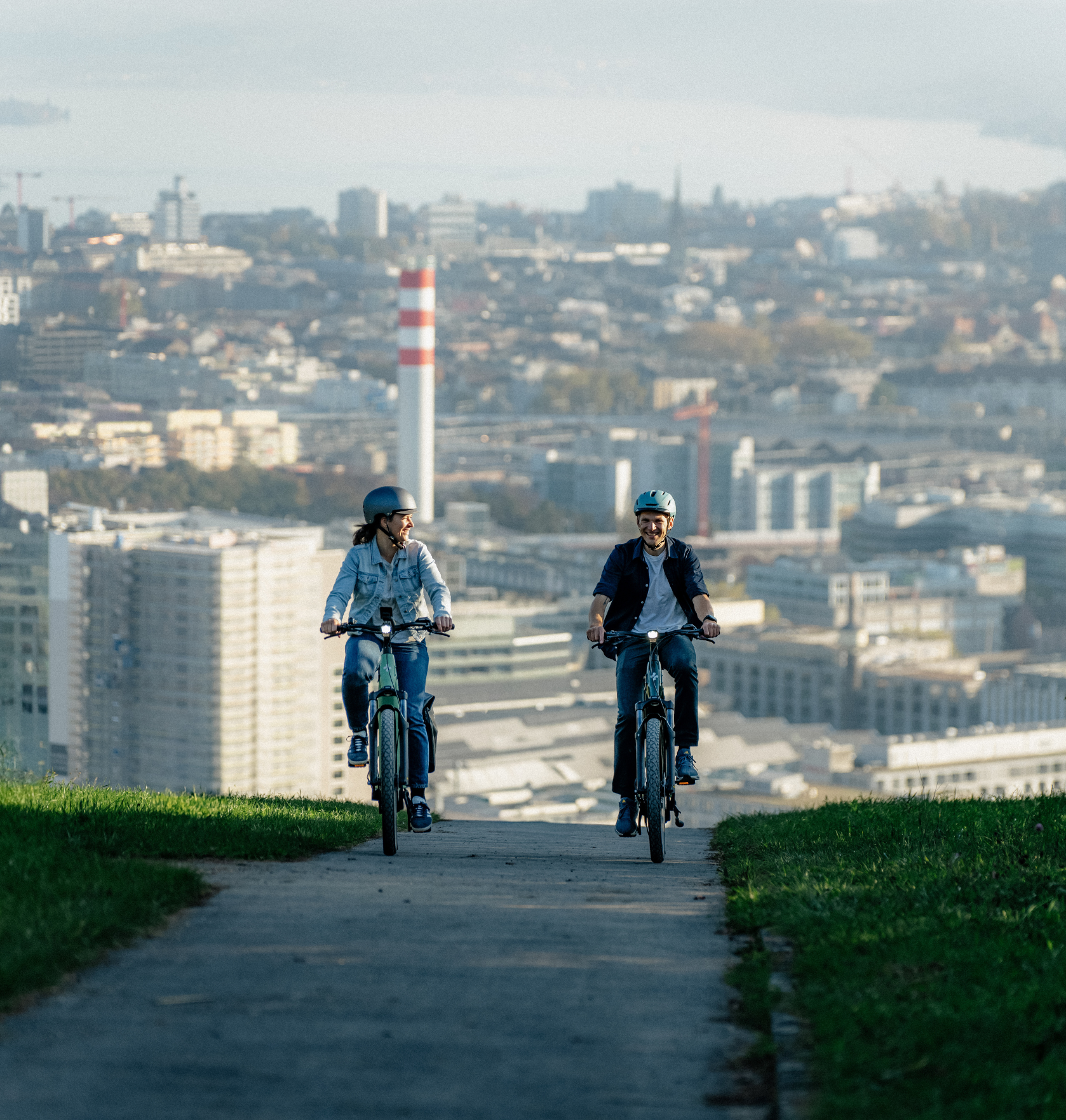
On an S-pedelec, pulling away comfortably and riding at speed call for very different gears. Low gears help when starting off and climbing. High gears let you keep pedalling at a comfortable cadence, even at higher speeds.
Motor assistance is no substitute for this gear range. The right gearing allows your pedalling effort and the motor’s power to work effectively together.
With a 554% gear range, the NINE gives bike manufacturers plenty of scope to tailor the drivetrain to these demands: from hill starts to fast riding on open roads. The bike’s overall gearing determines how that range is used.
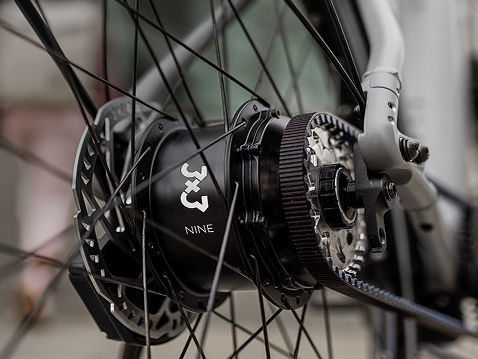
Nine gears. Well-spaced ratios. Less shifting.
When accelerating, you want to build speed without constantly searching for the next gear. Closely spaced ratios can mean frequent shifts – or lead you to skip some gears altogether.
The NINE’s nine gears are evenly spaced, with steps of around 24%. These gaps are deliberately chosen so that each gear covers a useful range of speeds. As you accelerate, you can move through the gears without working through lots of small intermediate steps.
This suits the character of an S-pedelec: motor assistance helps bridge the gap to the next gear, while the spacing reduces the need for frequent shifts. Your attention stays on the road – and your drivetrain in a suitable gear.
Why does efficiency matter so much on an S-pedelec?
As speed increases, aerodynamic drag rises significantly. Riding fast therefore requires more energy. This makes it all the more important to transfer power from the rider and motor to the rear wheel as efficiently as possible.
The NINE is designed for high efficiency across all gears. This is particularly relevant for an S-pedelec, whose drivetrain has to handle very different situations: accelerating after a stop, tackling climbs and riding at speed on open stretches.
The DEKRA elevation range test provides a concrete example. The e-bike equipped with the NINE achieved 1,915 metres of elevation gain on a single battery charge. The otherwise identical comparison bike with a continuously variable gear hub achieved 1,617 metres. In the tested configuration, the NINE therefore delivered around 18% more elevation gain per charge.
This is not a general promise of increased range for an S-pedelec travelling at 45 km/h. It does, however, show how efficient gearing can help make better use of the available energy.
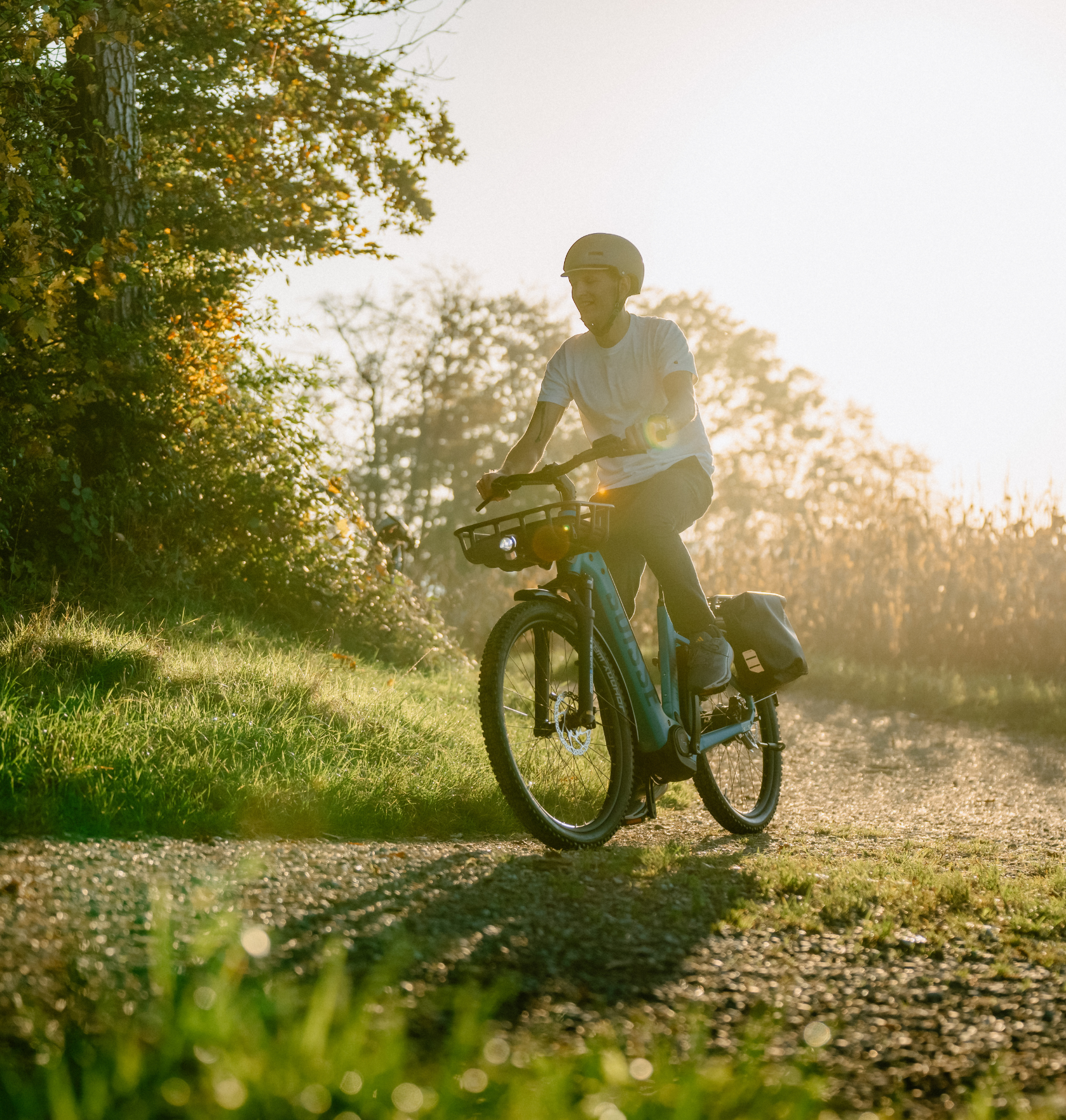
What loads does the gearing system face during acceleration?
Every red light interrupts a fast ride. Afterwards, the bike, rider and luggage all need to get moving again. Climbs place additional demands on the drivetrain.
On an S-pedelec with a mid-drive motor, your pedalling effort and the motor’s power act together on the drivetrain. The load at the hub depends on several factors, including the chosen gear ratio. A durable gearing system is therefore an important part of the drivetrain design.
The NINE is designed for a maximum input torque of 250 Nm, giving it the strength to handle powerful acceleration and demanding routes. This figure refers to the torque at the hub’s input and should not be confused with the motor’s stated torque.
What if you’re still in a high gear when you stop?
One moment you’re riding at speed; the next, the traffic light turns red. If you stop in a high gear, you’ll need a lower gear to pull away again comfortably.
With the NINE, you can shift even at a standstill. Select the right gear before setting off and pull away smoothly when the light turns green. With E-Shift, the optional Auto-Downshift function takes care of this for you: When you stop, it automatically shifts back to a preset starting gear. You’re ready to set off again without having to shift down yourself.
On S-pedelec routes where fast stretches and frequent stops alternate, this adds noticeable comfort – even after an unexpected stop.
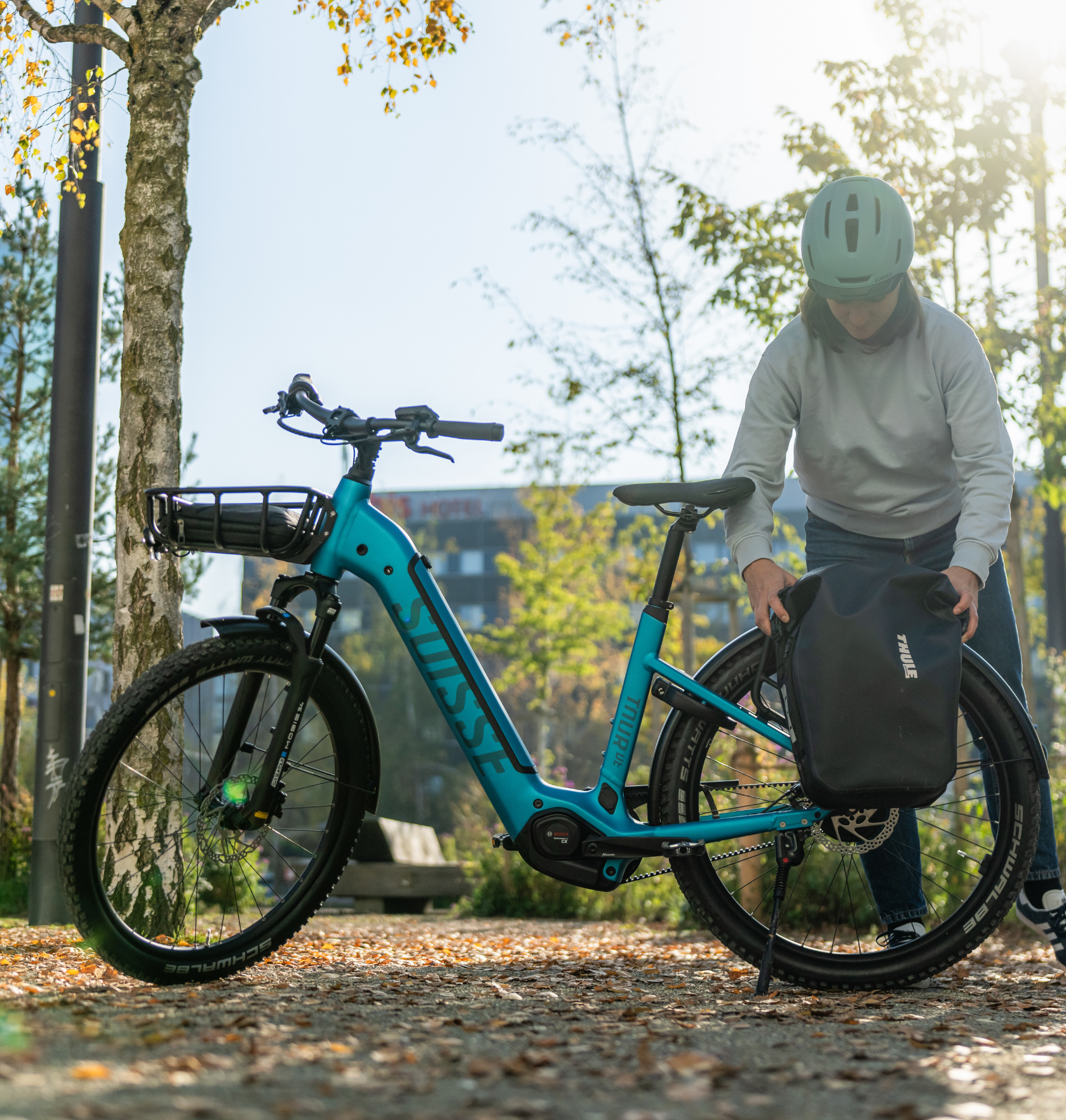
Clocking up the kilometres: How much maintenance does the drivetrain need?
Longer S-pedelec commutes quickly add up to plenty of kilometres. Add rain, road grime and the need to simply get going in the morning, and low maintenance becomes a real everyday advantage.
The NINE’s gearing is protected inside the rear hub. Its grease lubrication eliminates the need for regular oil changes. This keeps gear maintenance to a minimum – particularly appealing if you use your S-pedelec frequently.
The NINE can be paired with a chain or belt. Combined with a belt drive, it creates a particularly clean, low-maintenance drivetrain. Regular checks of the bike and its wear components remain important.
So, which gearing system is right for an S-pedelec?
The right gearing system covers everything from pulling away to riding at speed. Its gears are well spaced, it transfers power efficiently and it withstands the demands of everyday use.
The 3X3 NINE brings these qualities together: a 554% gear range, nine evenly spaced gears, high efficiency and up to 250 Nm of input torque. It also offers shifting at a standstill and maintenance-free gearing.
That makes it a compelling choice for S-pedelecs covering distance every day – and for people who want to get where they’re going quickly and easily.
Up to 45 km/h. Every day. With gearing that fits your daily ride.